
The technology
Mats, cable, sensors and controls
The engineered parts under the surface: what each one does, and how the right combination is chosen for your project.
Image: WarmlyYours
Heating layer
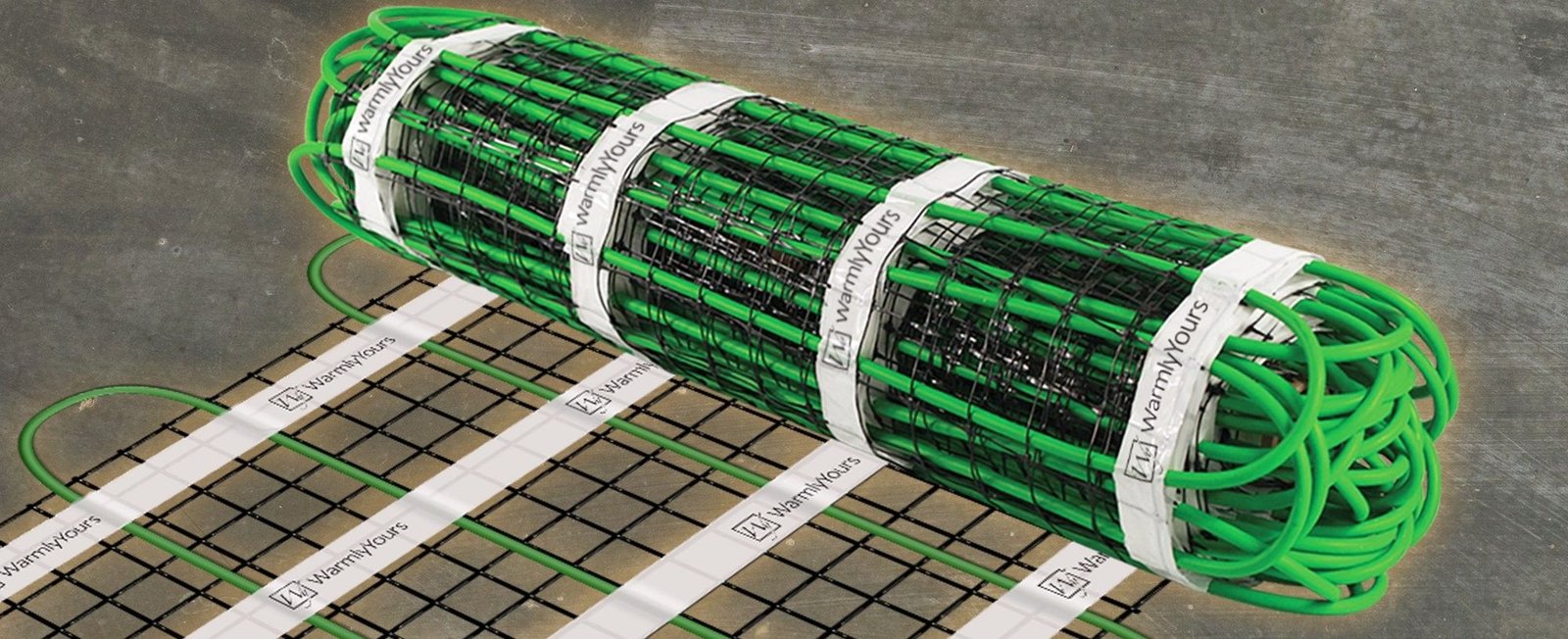
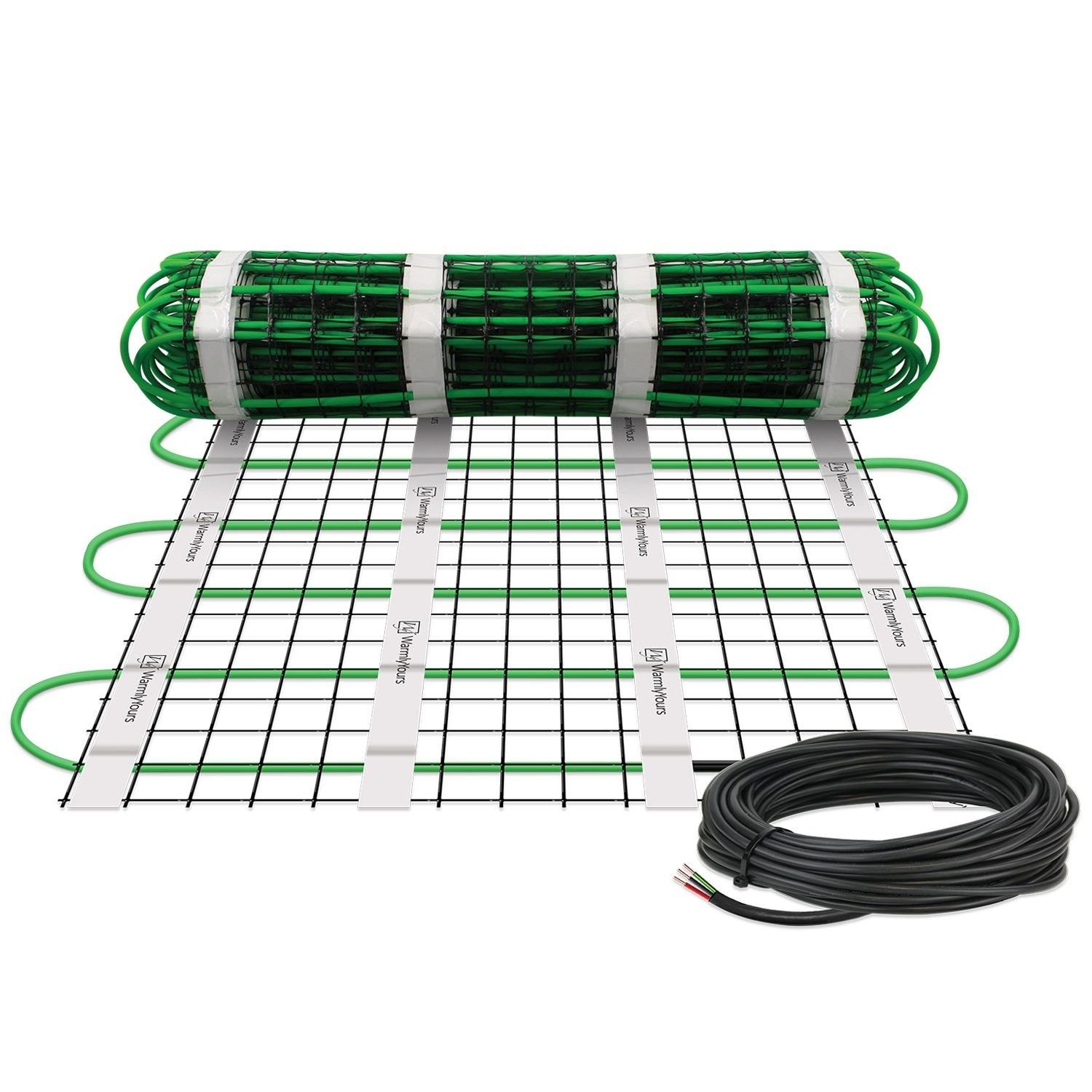
Snow Melting Mat
Heating cable attached to a mesh at a set spacing, rolled out over the area. Suited to square and rectangular driveways, walkways and patios.
- Installs in asphalt, concrete or beneath pavers
- Available in 2 ft and 3 ft widths and a range of lengths
- Cable spaced 3 in apart on the mat
- Cold lead supplied for connection to the power supply
Heating layer
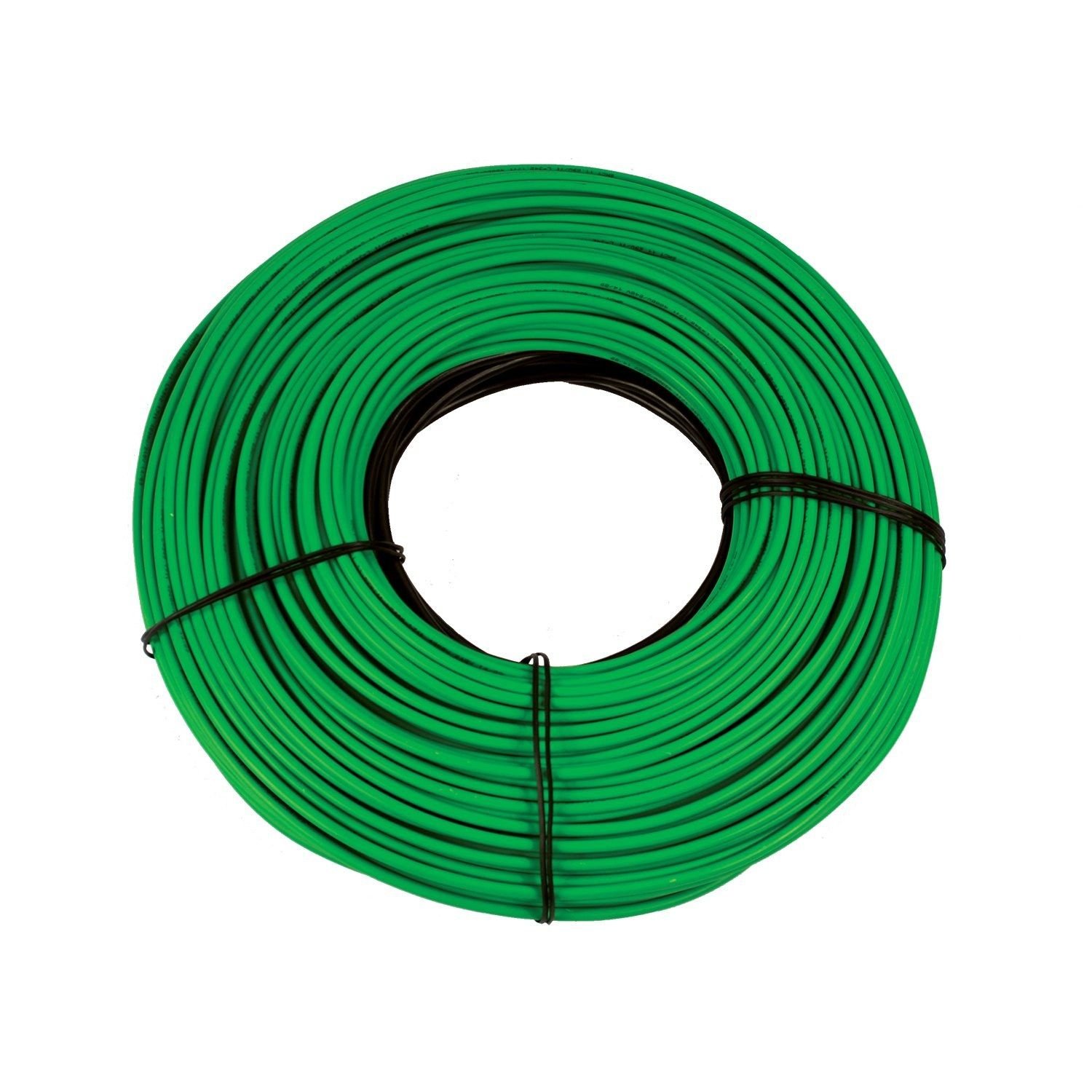
Snow Melting Cable
Heating cable laid loose and fixed to a frame or grid, so it follows curves, stairs and irregular shapes.
- Installs in asphalt, concrete or beneath pavers
- Can be laid at different spacings, so the design can raise or lower heat output
- Available in a range of lengths and voltages
- Suited to steps and stairways
Controls
The controller decides when the heating runs. The range covers small timer-run areas through large, zoned properties.
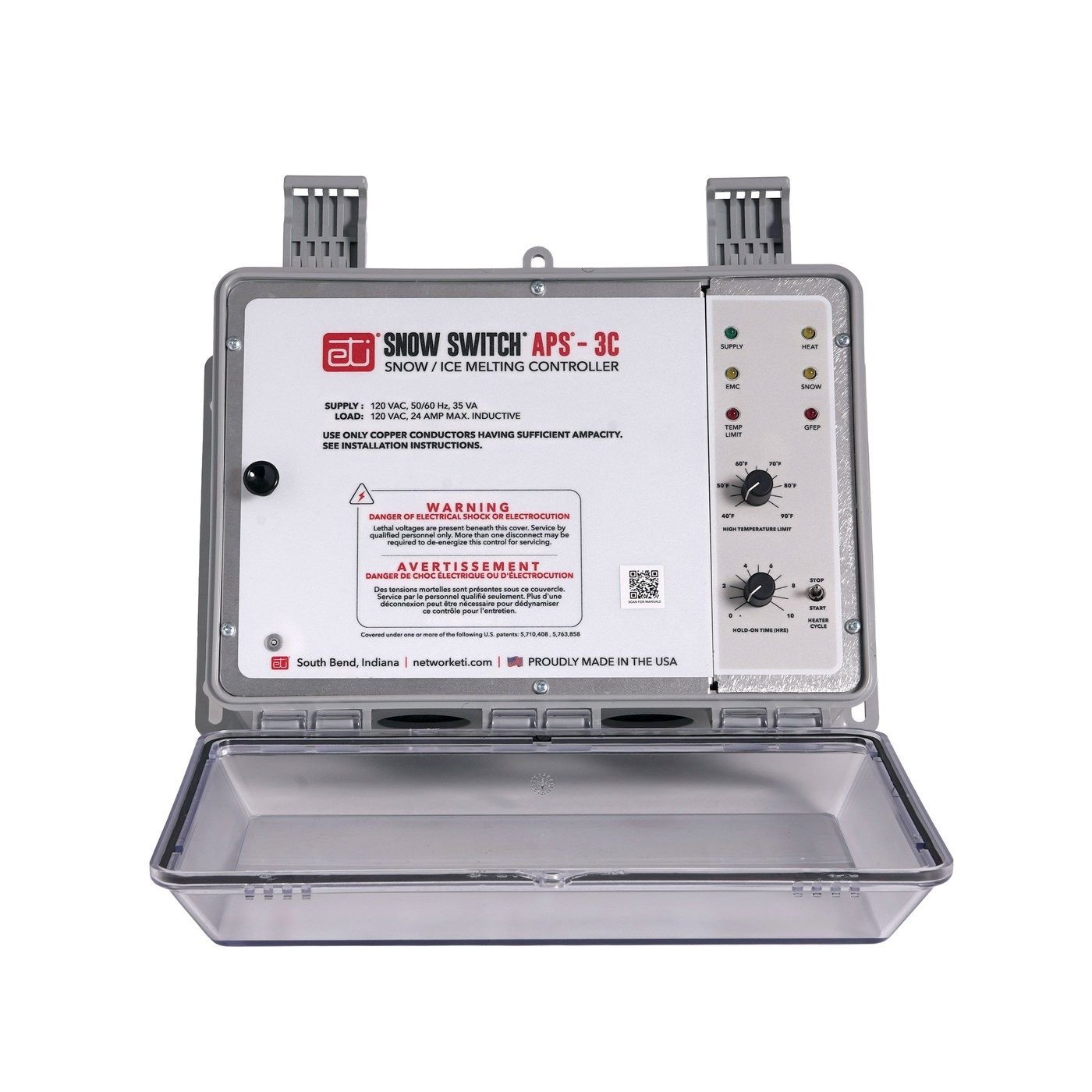
Automatic controller, premium
Automatic operation with sensors, including a hold-on period after snow stops and support for more than one sensor.
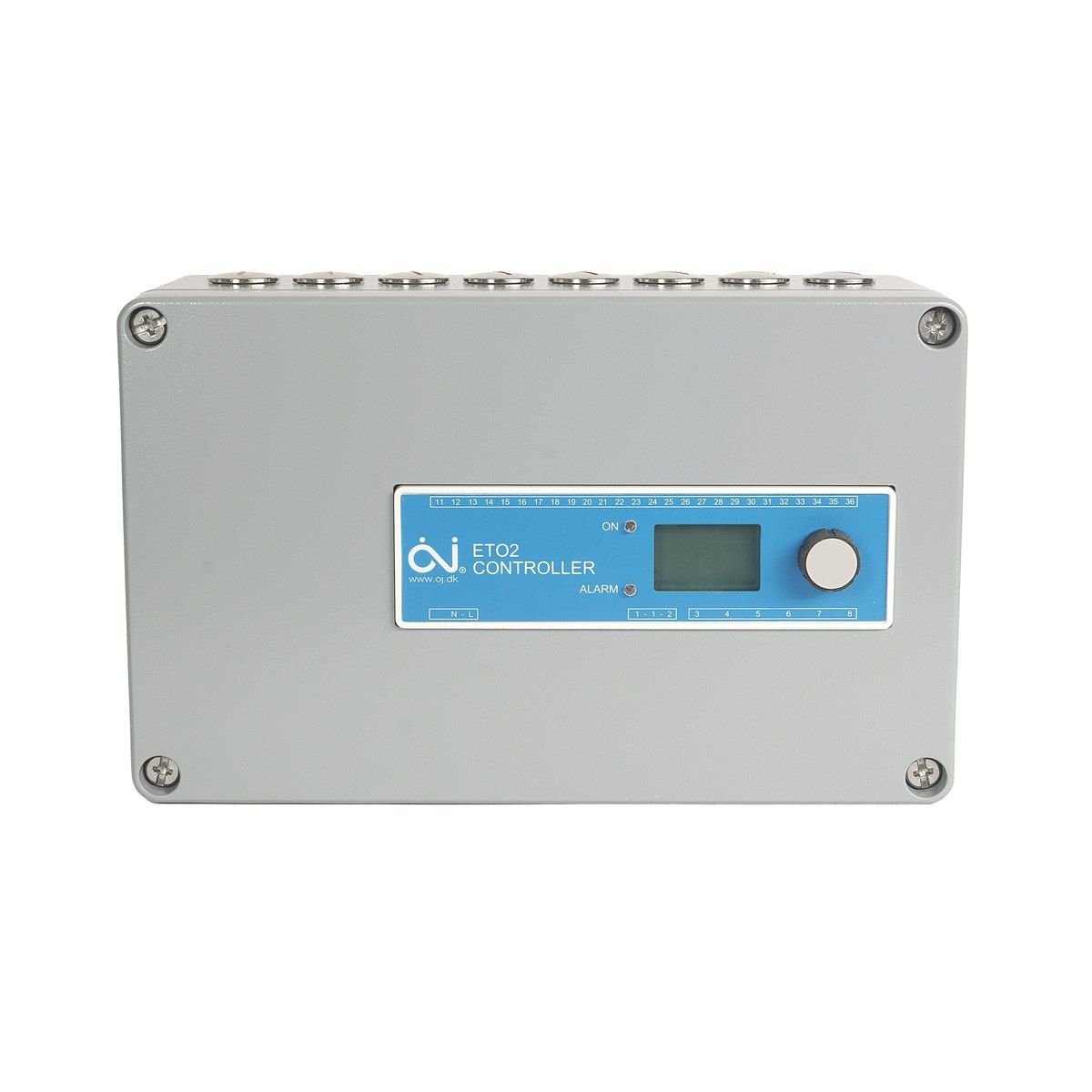
Automatic controller, economy
Automatic detection of temperature and moisture with a digital interface, for straightforward systems.
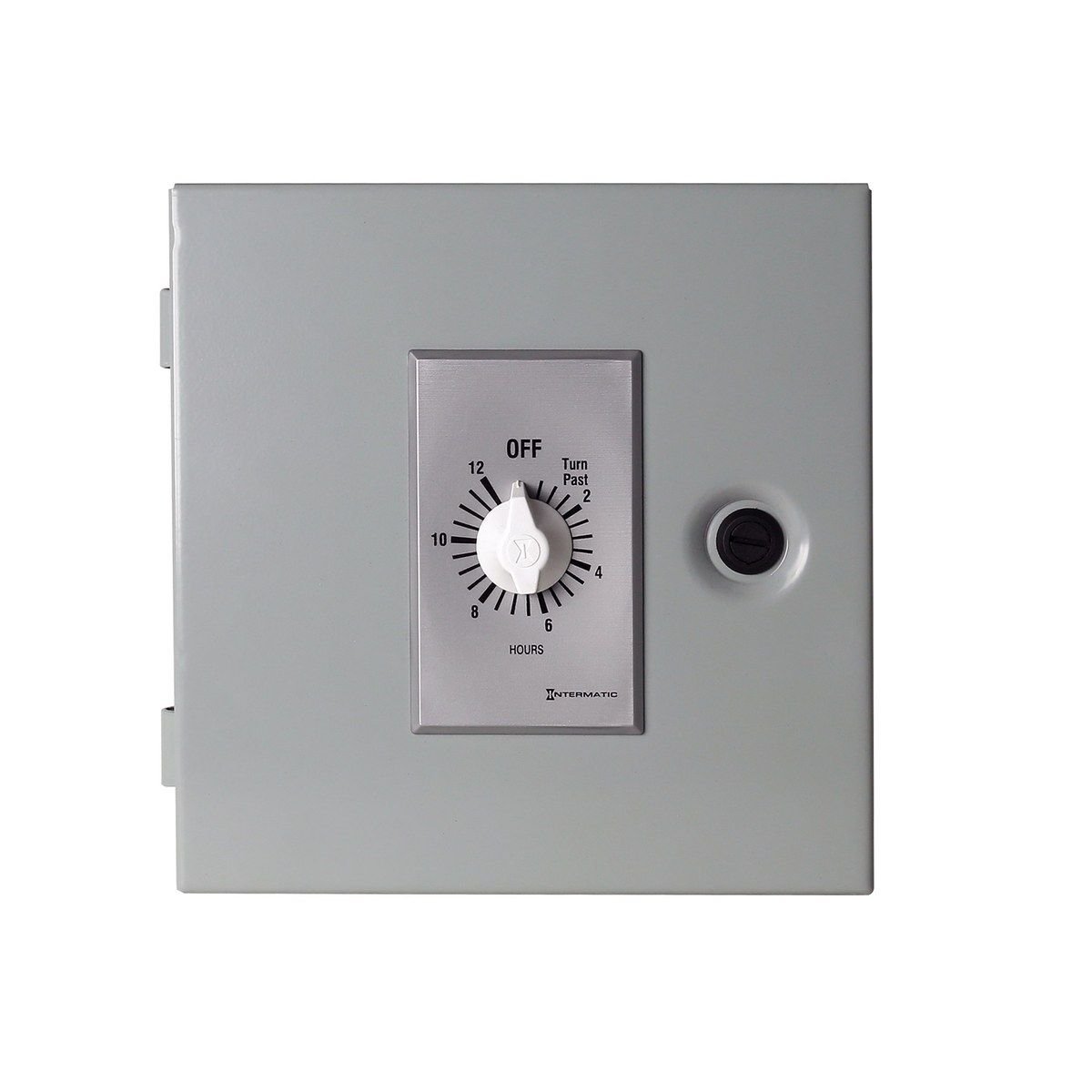
Timer control
You turn a dial to set how long the system runs. Suited to smaller areas.
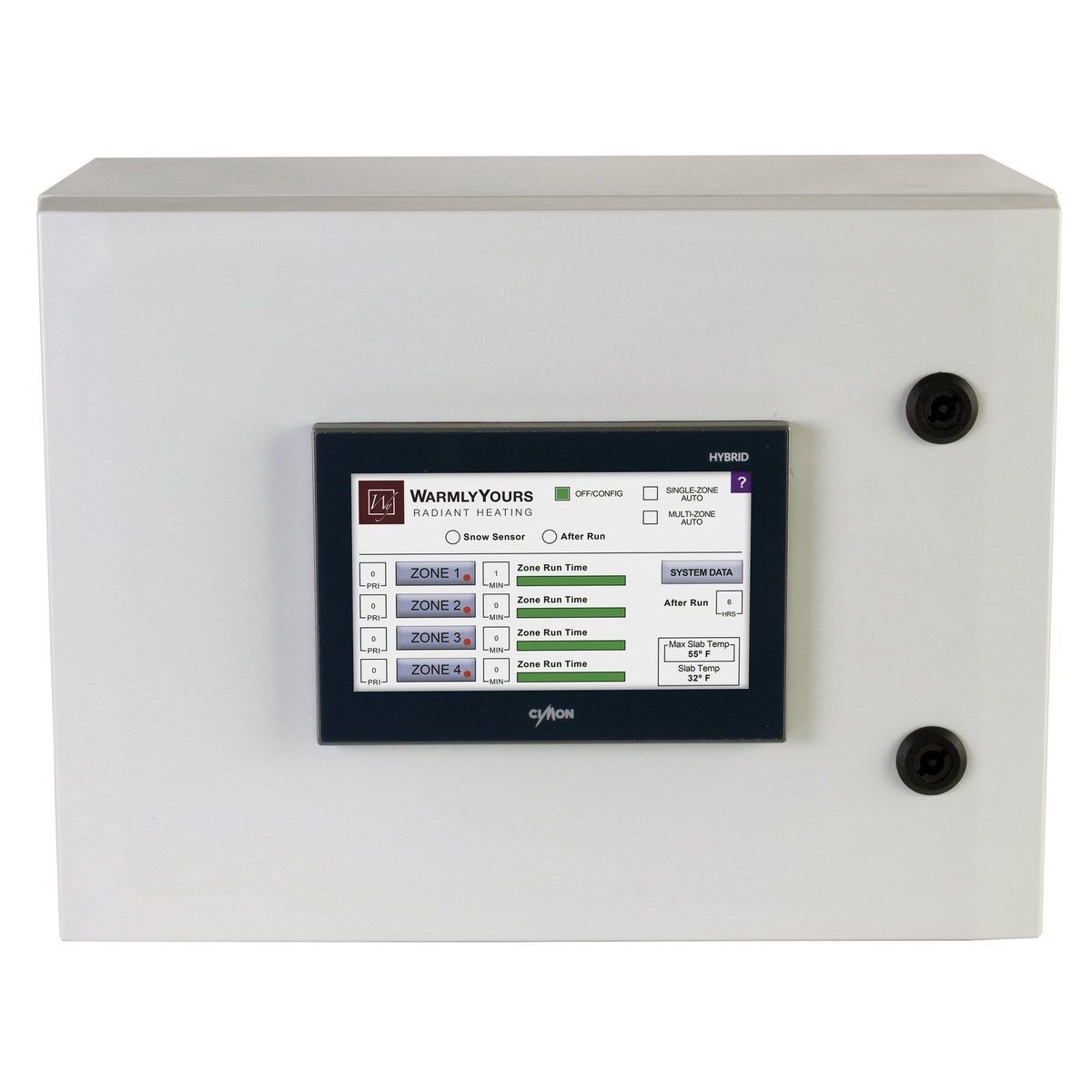
Multi-zone controller
Splits a larger system into zones that run independently, for bigger properties.
Image: WarmlyYours. Wi-Fi control is also available.
Sensing
Sensors
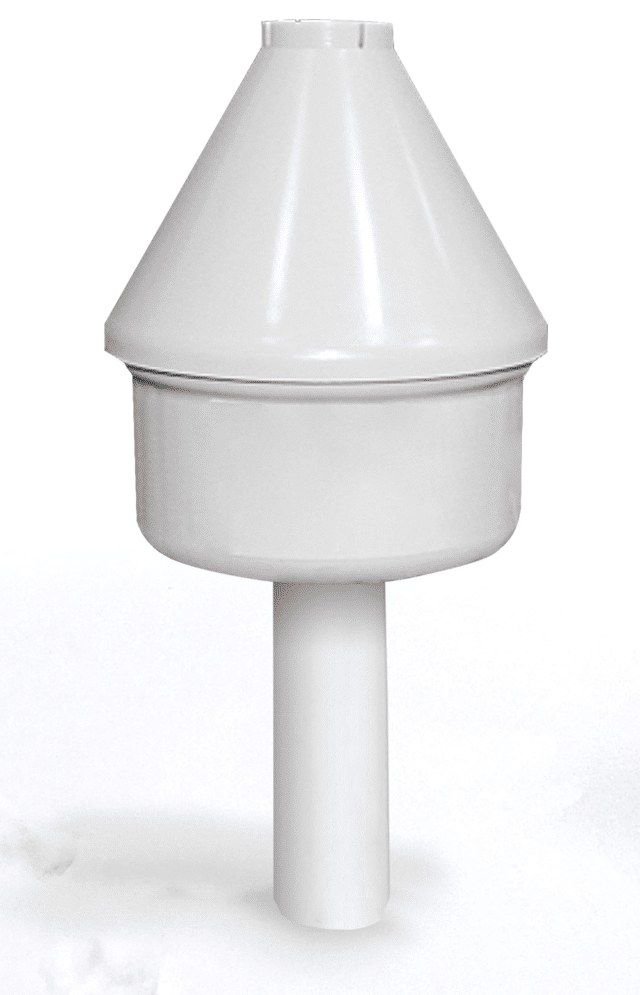
Sensors detect the temperature and moisture that mean snow or ice is forming, so the system runs when it is needed rather than all winter.
- Aerial-mounted sensors above ground
- Slab and pavement sensors set in the surface
- Placed in an open area where snow falls directly on them
How the right combination is chosen
You do not pick from a parts list. Your design matches the technology to the project.
The shape of the area
Open rectangles suit mats. Curves, steps and stairs suit cable.
The surface
Asphalt, concrete and pavers each have their own installation method.
The electrical situation
Available power and the distance to the area affect the system and its controls.
How you want it to run
Automatic with a sensor, on a timer, from a phone, or in zones on a larger property.
Technology questions
Straight answers about the products.
What is the difference between a snow melting mat and cable?
A mat is heating cable pre-spaced on a mesh, rolled out over open areas. Cable is laid loose and fixed to a frame or grid, so it follows curves, stairs and irregular shapes and can be laid at different spacings. Your design chooses one or uses both.
Who makes the heating technology?
WarmlyYours is the manufacturer of the heating cable, mats, controls and sensors described here. MeltGrid Canada is not a manufacturer: we coordinate design, the trades and the project.
What controls are available?
Automatic controls that work with sensors, a timer control, Wi-Fi control and a multi-zone controller for larger systems. Your design picks the control approach for how you use the property.
What sensors are used?
Sensors detect temperature and moisture. Options include aerial-mounted sensors and slab or pavement sensors, depending on the controller and the surface.
Can I choose the products myself?
The design determines which products suit your surface, area and electrical situation. We explain the choices as part of your design and estimate.
Let the design choose the technology
Tell us about your property. We come back with a design and an estimate.